| 大分城址公園 =Oita Castle Ruins Park= |
|
ポイント 大分城は府内(funai)城が正式名称のようで、荷揚(niage)城、白雉(hakuchi)城の別名も持っている。その城跡に大分城址公園を造ったようだ(大分市/府内城)参照。 |
| <2025(R7)年9月13日>Google マップ |
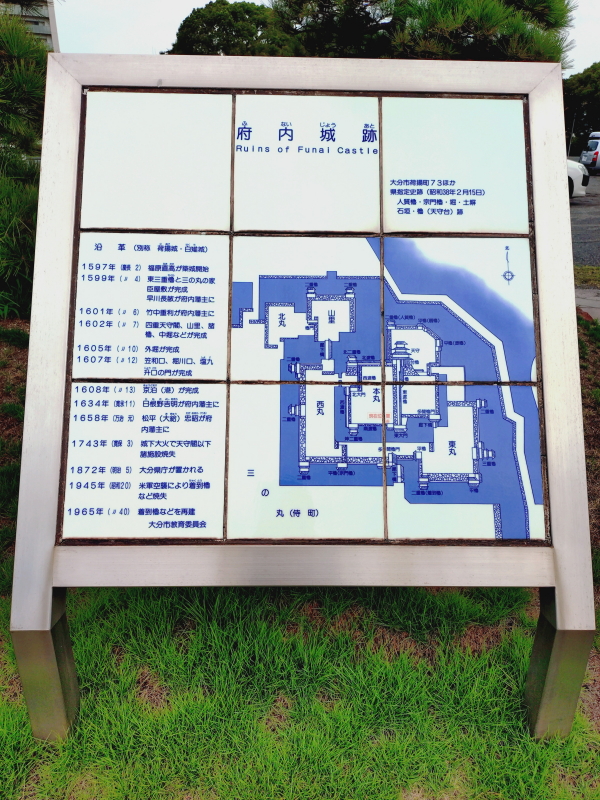
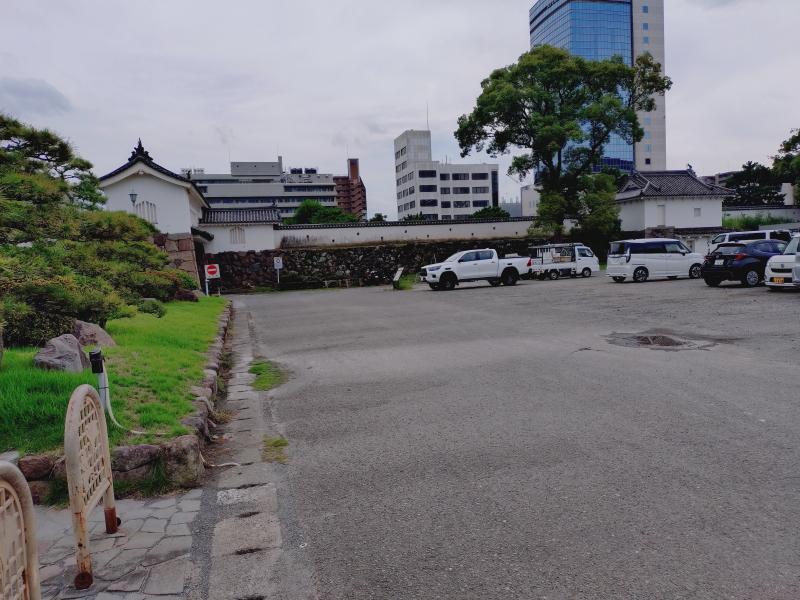
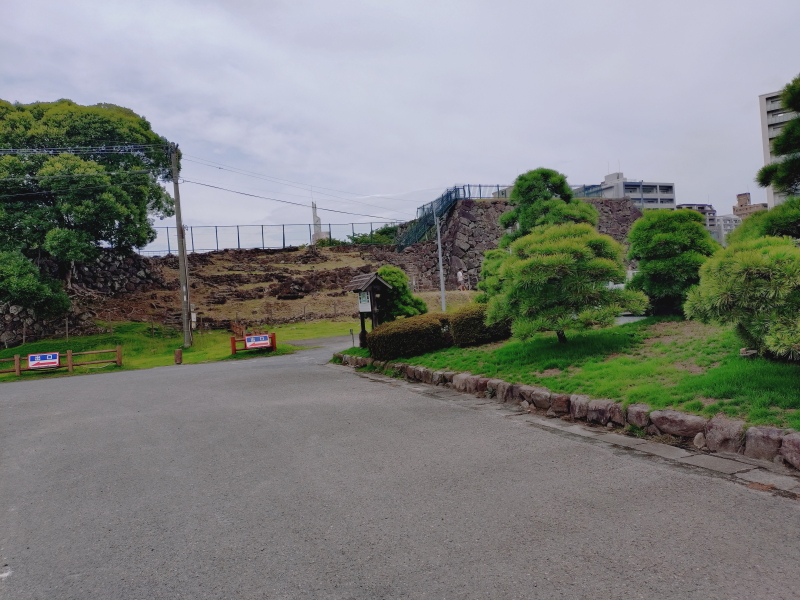
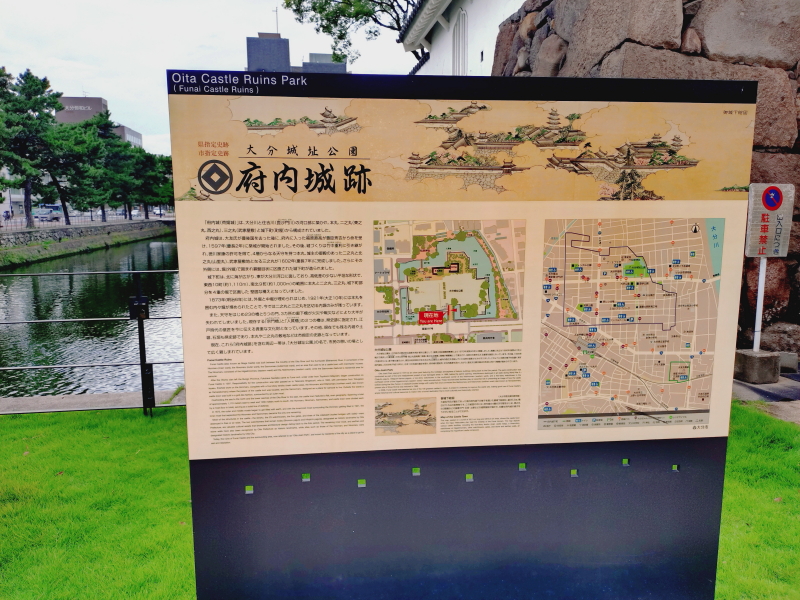
| 本丸跡に駐車場があり、その一角に府内城の解説板があった。解説板の右手に大きな門、左手に一段高い天守閣跡の天守台が見える。この案内板には堀が目の前にあるはずだが広場になっている。とりあえず大きな門に行って見る。大きな門を潜ると水を湛えた堀があり城の気分が味わえる。 |
 |
 |
 |
 |
| 府内城の解説板 | 大手門へ | 天守台 | 大手門の堀 |
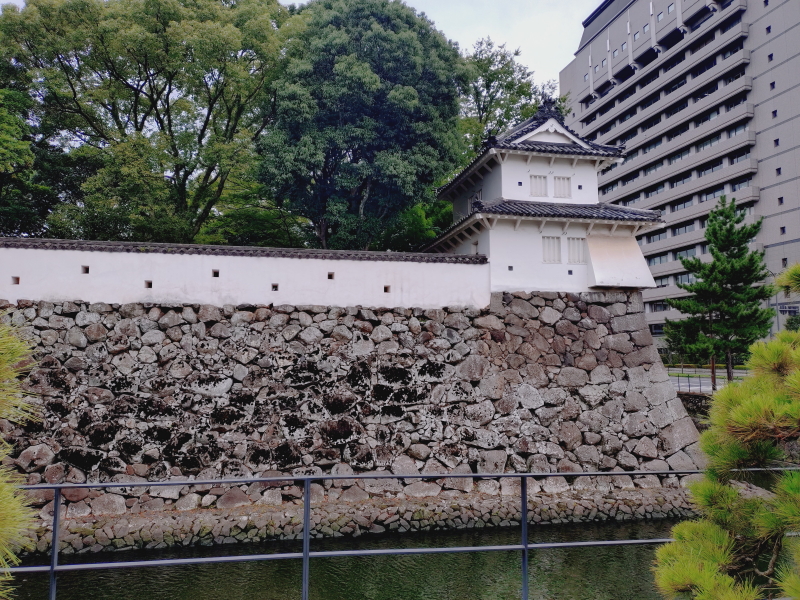
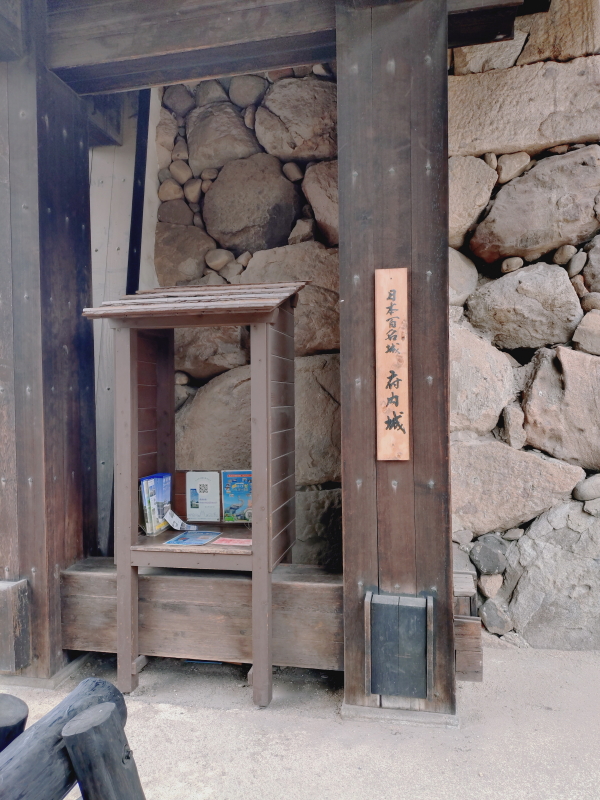
| 大きな門の傍には公園の解説板があり大手門と表記されていた。大手門は府内城の解説板にあった多聞櫓門(tamonyaguramon)のようだ。解説板の反対側には、二重櫓の着到櫓(東丸南西隅櫓)が見えた。改めて大手門を潜ると、日本百名城府内城の看板が掛けられ、パンフレットが置かれていた。大手門から天守台に向かうと、公園の案内板があるが、内容は大手門の解説板と変わらないがシンプルだった。 |
 |
 |
 |
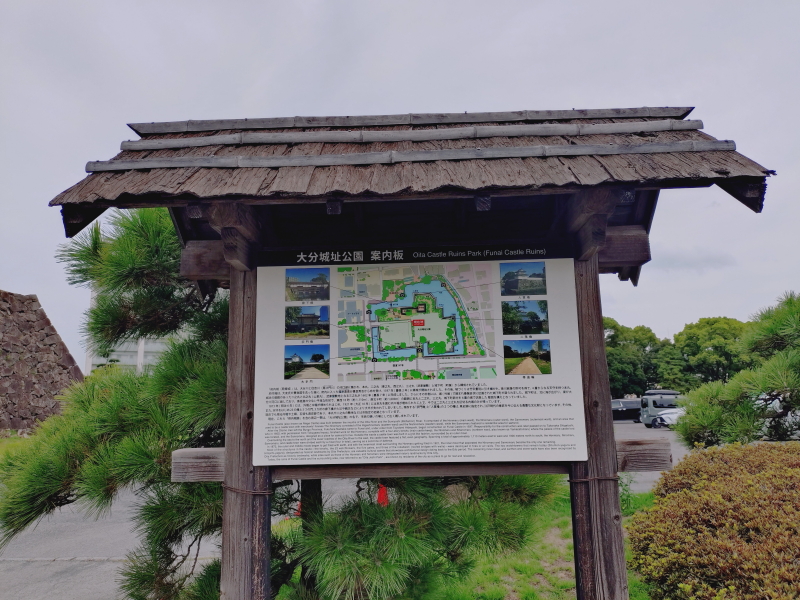 |
| 城址の解説板 | 着到櫓(東丸南西隅櫓) | パンフレット | 公園の案内板 |
| 「府内城(荷揚城)は、大分川と住吉川(毘沙門川)の河口部に築かれ、本丸、二之丸(東之 丸、西丸)、三之丸 (武家屋敷)と城下町(町屋)から構成されていました。 府内城は、大友氏が豊後国を去った後に、府内に入った福原直高が豊臣秀吉から命を受 け、1597年(慶長2年)に築城が開始されました。その後、城づくりは竹中重利に引き継が れ、徳川家康の許可を得て、4層からなる天守を持つ本丸、城主の御殿のあった二之丸と北 之丸(山里丸)、武家屋敷地となる三之丸が1602年(慶長7年)に完成しました。さらにその 外側には、堀(外堀)で囲まれ碁盤目状に区画された城下町が造られました。 城下町は、北に海が広がり、東が大分川河口に面しており、高低差の少ない平坦な形状で、 東西10町(約1,110m)南北9町(約1,000m)の範囲に本丸と二之丸、三之丸、城下町部 分を4重の堀で区画した 堅固な構えとなっていました。 1873年(明治6年)には、外堀と中堀が埋められはじめ、1921年(大正10年)には本丸を 囲む内々堀が埋められたことで、今では二之丸と三之丸を区切る内堀のみが残っています。 また、天守をはじめ23の櫓と5つの門、3カ所の廊下橋が火災や戦災などにより大半が 失われてしまいました。現存する「宗門櫓」と「人質櫓」の2つの櫓は、県史跡に指定され、江 戸時代の意匠を今に伝える貴重な文化財となっています。その他、現在でも残る内堀や土 塀、石垣も県史跡であり、本丸や二之丸の敷地などは市指定の史跡となっています。 現在、これら「府内城跡」を含む周辺一帯は、「大分城址公園」の名で、市民の憩いの場とし て広く親しまれています。 |
| Funai Castle(also known as Niage Castle) was built between the mouths of
the Oita River and the Sumiyoshi(Bishamon)River,It comprised of the Honmaru(main ward),the Ninomaru(outer ward),the Sannomaru(outermost ward), and an area that useed to be a castle town with merchants' houses, The Ninomaru consisted of the Higashinomaru(eastern ward) and the Nishinomaru(western ward), while the Sannomaru featured a residential area for samurai. After the Otomo clan left the Bungo Province,Fukuhara Naotaka came to Funai and under order from Toyotomi Hideyoshi,began construction on Funai Castle in 1597. Responsibility for the construction was later passed on to Takenaka Shigetoshi,who in 1602, with permission from Tokugawa Ieyasu, finished work on the Honmaru, complete with a four-story tenshu(main castle keep), the Ninomaru and Kitanomaru(northern ward, also known as Yamazatomaru) where the palace of the castle lord was located, and the Sannomaru, designed as a place for samurai to live. Outside the wards a castle town was built in a grid-like fashion,surrounded by an outer moat. Overlooking the sea to the north and the lower reaches of the Oita River to the east, the castle town featured a flat, even geography. Spanning a total of approximately 1,110 meters east to west and 1000 meters north to south, the Honmaru. Ninomaru, Sannomaru, and castle town were divided each by a moat(four in total), serving as a solid line of defense. In 1873, the outer and middle moats began to get filled with earth, and with the innermost moat surrounding the Honmaru getting filled in 1921, the inner moat that separated the Ninomaru and Sannomaru became the only one remaining. Most of the structures in the castle-the tenshu, the 23 watchtowers, the five gates, and three of the rokabashi (roofed bridges with walls)-were destroyed in fires or air raids. The two watchtowers that remain today (Shumon-yagura and Hitojichi-yagura), designated as historic landmarks by Oita Prefecture, are valuable cultural assets that showcase architectural design dating back to the Edo period. The remaining inner moat, and earthen and stone walls have also been recognized by Oita prefecture as historic landmarks, while sites such as those of the Honmaru and Ninomaru were designated historic landmarks by Oita City. Today,the ruins of Funai Castle and surrounding area, now referred to as "Oita Joshi Park", are known by residents of the city as a place to go for rest and relaxation. |
| 大分城址公園 大分城址公園は、江戸時代の歴史的な面影を残す都市公園として、復興土地区画整備事業により1970年(昭和45年)に開園しました。開園に先立ち1966年(昭和41年)に 戦災で消失した着到櫓・大手口多門櫓・西之丸西南隣二階櫓・東之丸北東隣二階櫓が模擬櫓として復元され、当時の光景を伝える貴重な施設となっています。その後、1996年 (平成8年)には、廊下櫓も復元され、現在は松栄神社がある北之丸(山里丸)と城内の西之丸を結んでいた当時の面影がよみがえりました。このように当時の様子を色濃く残す 府内城は、2006年(平成18年)に、日本100名城の選定を受け、府内城の歴史的・文化的資源を活かしながら、歴史文化観光拠点の形成に向けて整備が進めれれています。 |
| Oita Joshi Park Oita Joshi Park opened in 1970 as an urban park featuring the nostalgic atmosphere of historic buildings dating back to the Edo period. The park construction was conducted as part of the land readjustment project of war damaged areas in 1966,before the park's opening, watchtowers destroyed in air raids during World War Ⅱ Chakuto-yagura, Oteguchi-tamon-yagura, a two-story watchtower in the southwest corner of Nishinomaru (western ward), and a two-story watchtower in the northeast comer of the Higashinomaru (eastern ward)-were reconstructed. These reconstructed facilities play an essential role in presenting an image of how the castle looked during the Edo Period. A rokabashi(rooted bridge with walls) that once connected the Nishinomaru and Kitanomaru (northern ward,also known as Yamazatomaru, present site of Shoei shrine) was restored in 1996. In 2006, Funai Castle was selected as one of the 100 greatest castles in Japan. A project is underway to improve the castle site,making good use of Funai Castle's ample historical and cultural resources make it a tourist destination that is more culturally and hisitorically oriented. |
| 御城下絵図(大分市歴史資料館所蔵) 大給松平氏が藩主であった頃の府内城下の様子を描いた御城下絵図は、縦35.2cm、横 2970.5cmの絵巻物です。この絵図の中には、府内城の4層の天守閣をはじめ、東之丸 の3階櫓などの諸櫓や門・石垣・土塁などの城郭施設が描かれ、壮麗な府内城の様子を うかがい知ることができます。 |
| Map of the Castle Town The map, pasted on scroll of 35.2cm long and 2970.5cm wide, shows the castle town when the Ogyu Matsudaira clan held the lordship of the Funai domain. The map depicts various castle facrilities, including the four-story tenshu (main castle keep), a three-story watchtower at Higashinomaru, other watchtowers, gates, and stone and earthen walls, all comprising the magnificent castle compound. |
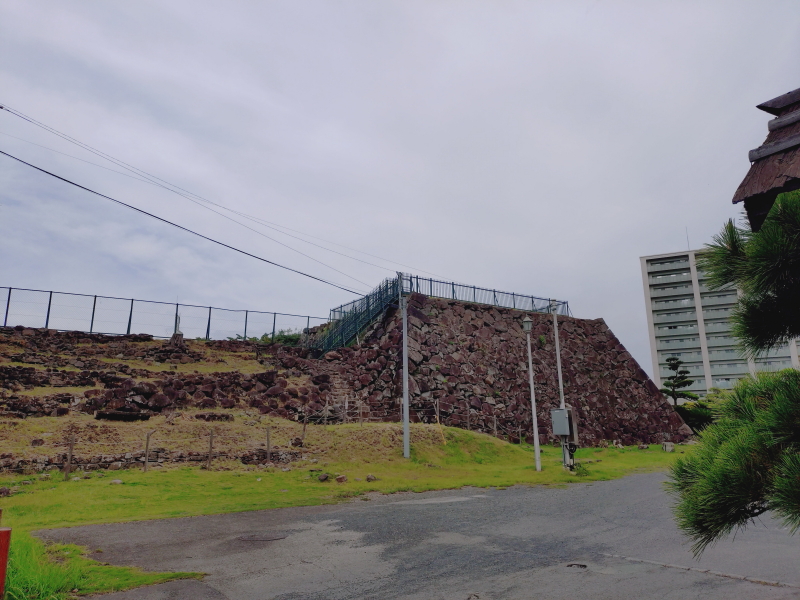
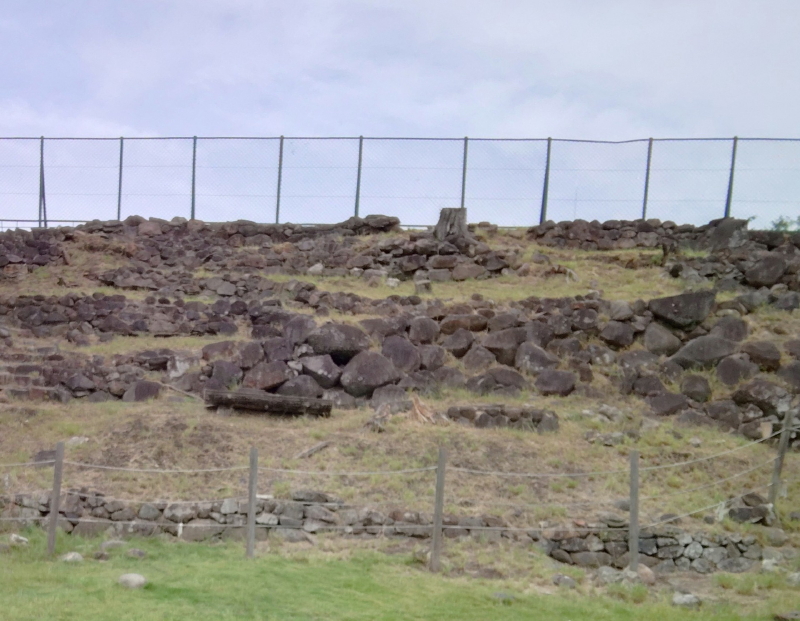
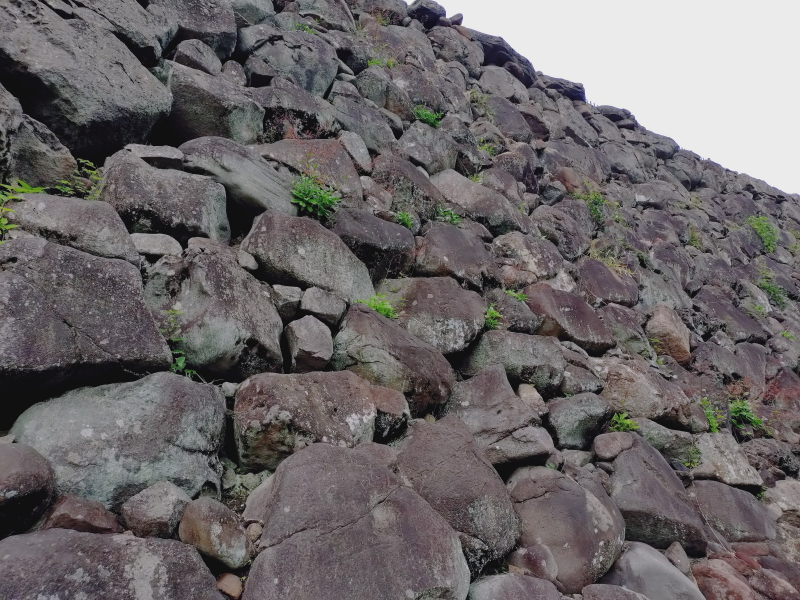
| 天守台に向って左手から天守台の上に上がれそうだった。本丸櫓台や天守台の石垣を眺めながら近づくと、石段がある。 |
 |
 |
 |
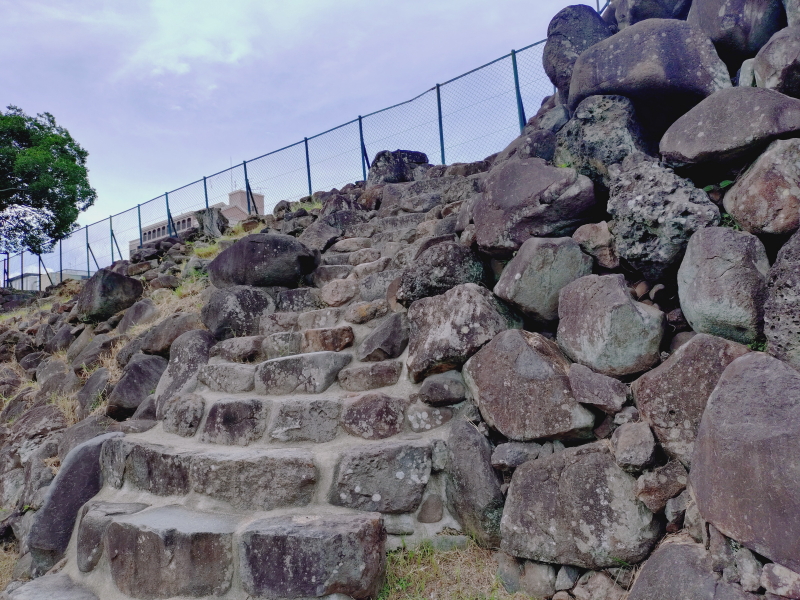 |
| 天守台 | 本丸櫓と天守の間 | 天守台の石垣 | 石段 |
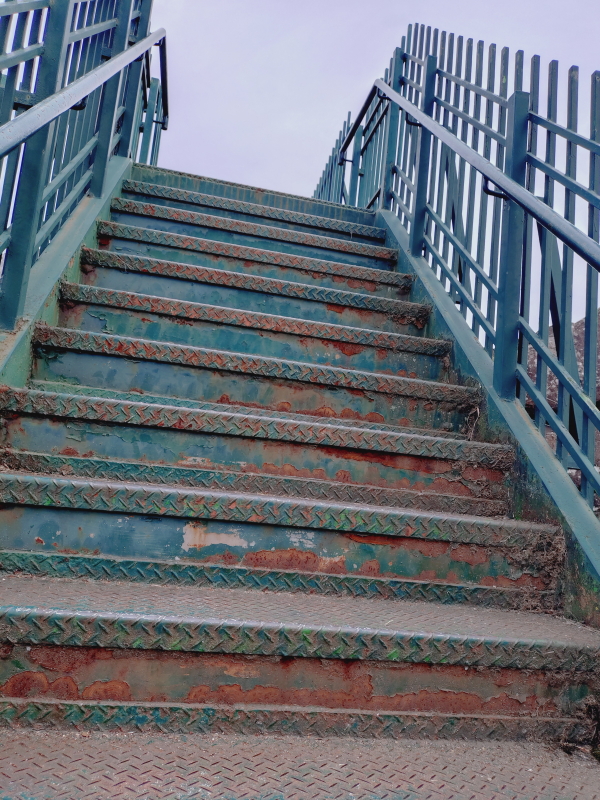
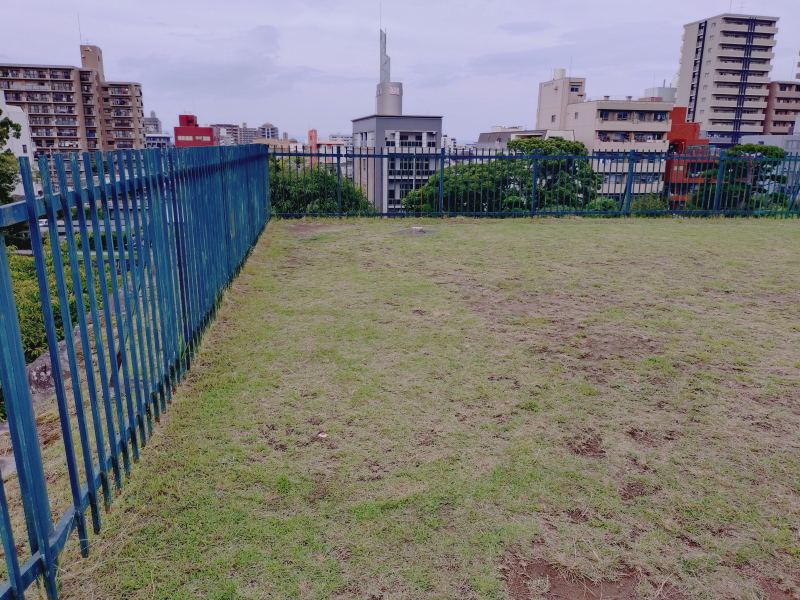
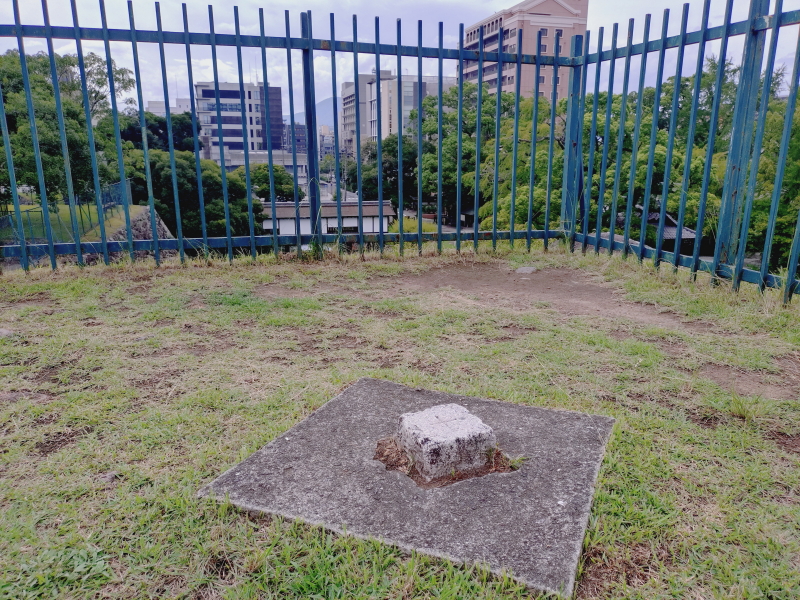
| 石段を上ると鉄の階段がある。天守台は鉄柵の回った平らな原っぱだった。その一角に三角点;大分14,35mがあった。 |
 |
 |
 |
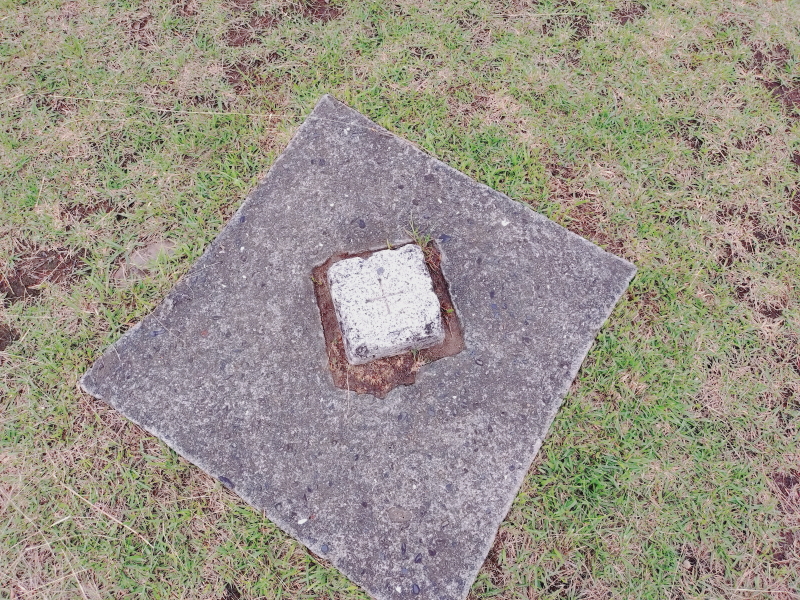 |
| 鉄の階段 | 天守台 | 三角点 | |
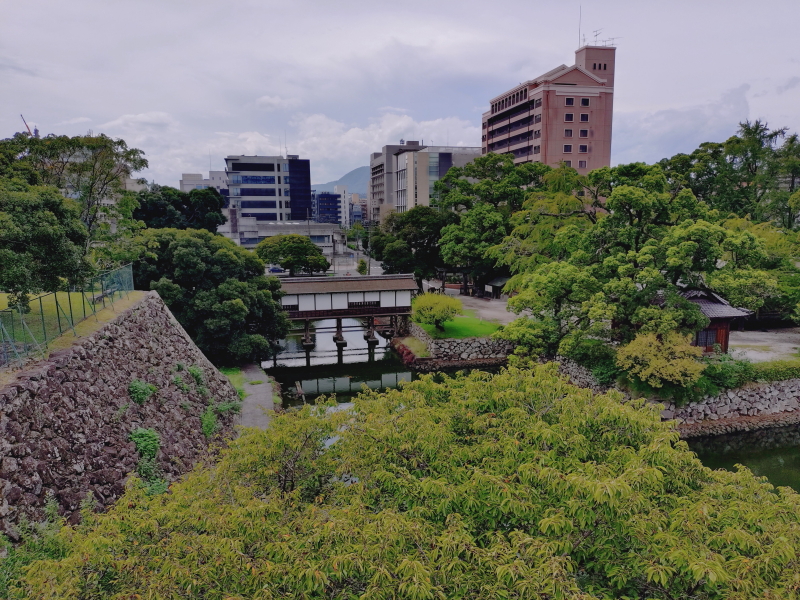
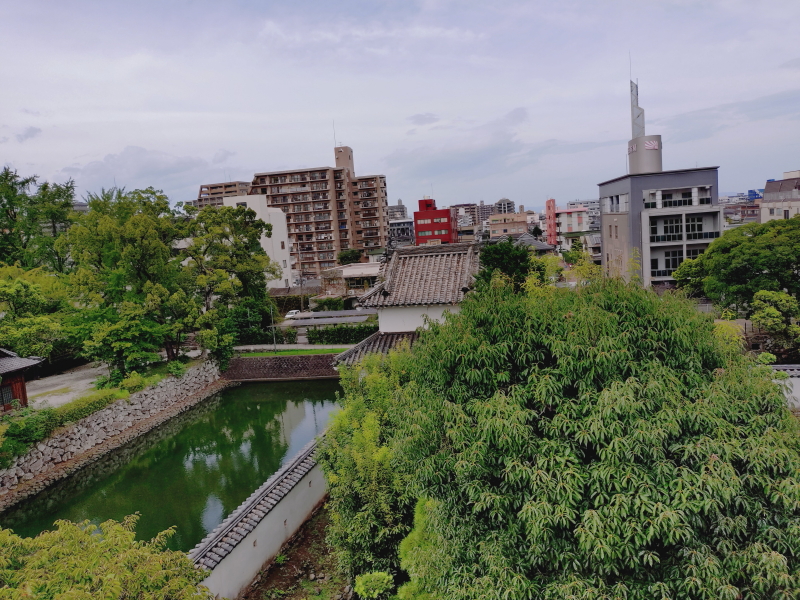
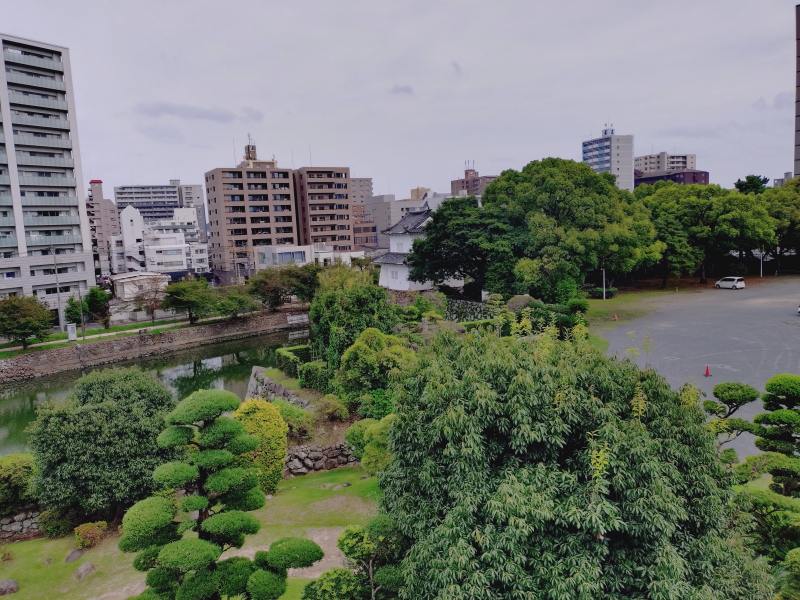
| 天守台の北側には人質櫓や廊下橋、二階櫓が望めた。本丸櫓台を眺めながら階段を下って行く。 |
 |
 |
 |
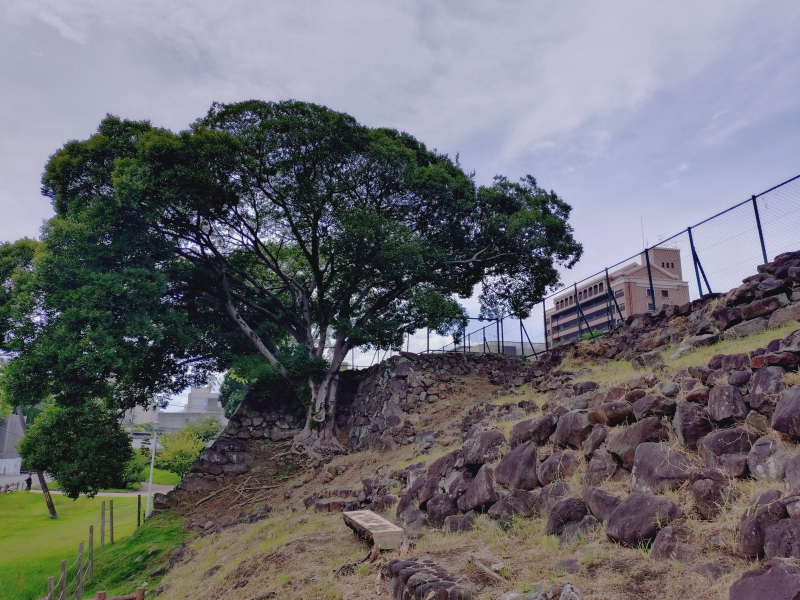 |
| 廊下橋 | 人質櫓 | 二階櫓 | 本丸櫓台 |
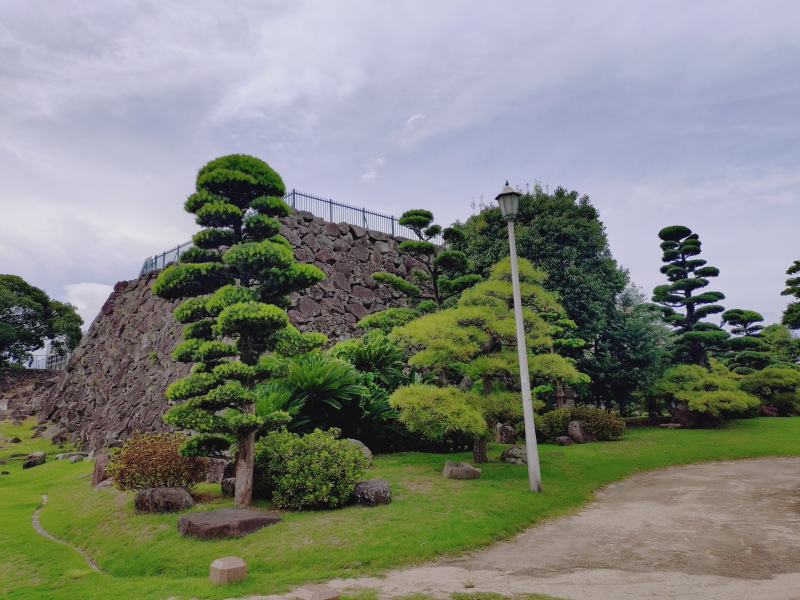
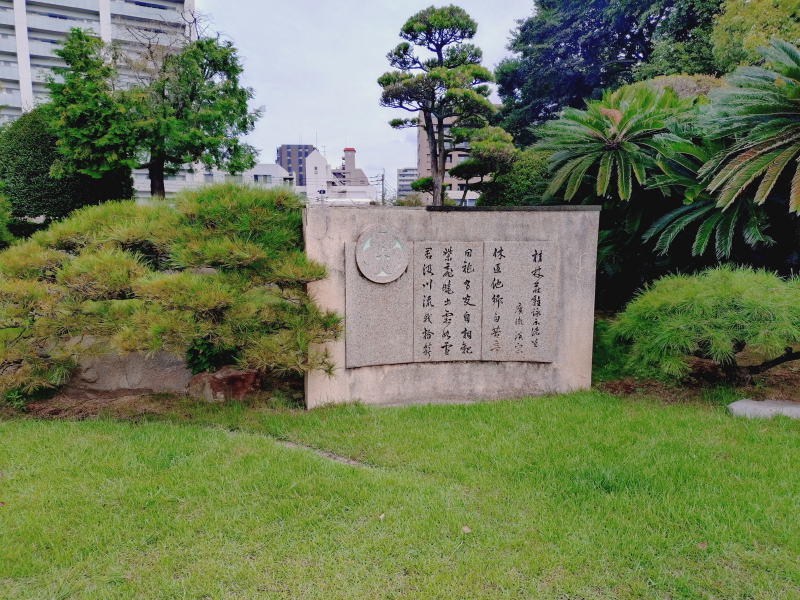
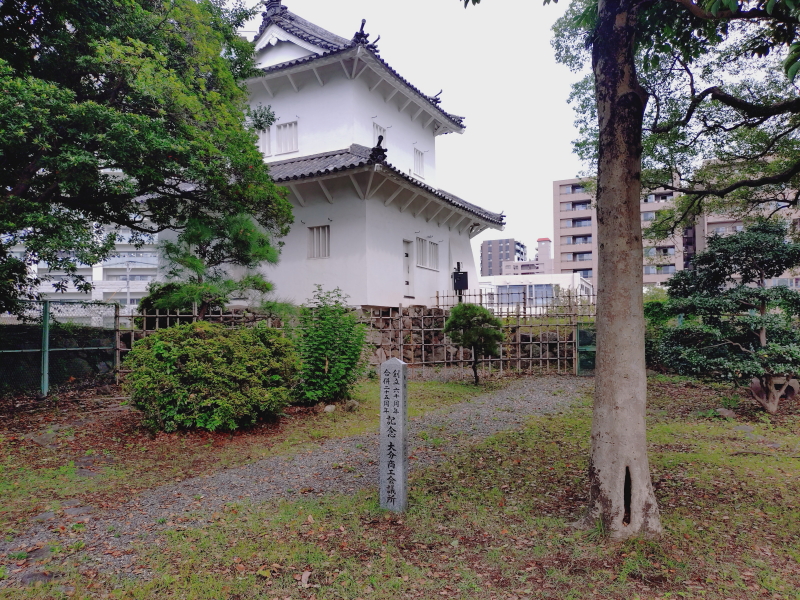
| 広場に下りると天守台を東から北へ囲うように日本庭園が造られていて、庭園越しに天守台が望めた。庭園の入口近くには広瀬淡窓の漢詩碑が鎮座していた。漢詩碑の近くから東丸北東角二階櫓も間近に見える。広場から終始気になるスカイメゾン外苑を眺める。 |
 |
 |
 |
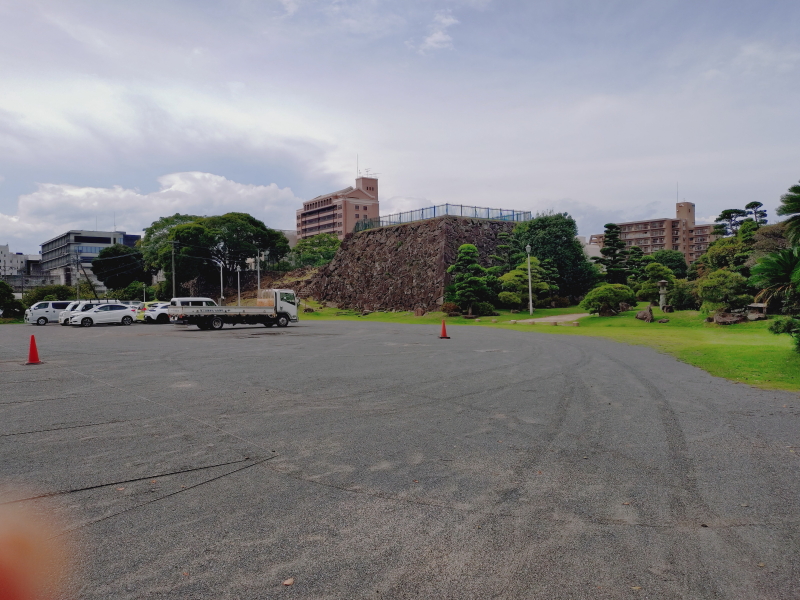 |
| 天守台と庭園 | 漢詩碑 | 東丸北東角二階櫓 | スカイメゾン外苑 |
| 桂林荘雑詠示諸生 広瀬淡窓 休道他郷多苦辛 同袍有友自相親 柴扉暁出霜如雪 君汲川流我拾薪 |
|
散歩路もくじ8へ 次進撃の巨人ミュージアムへ 北の探歩訪へ |
|
mym記録 2025(R7)年9月13日 |